

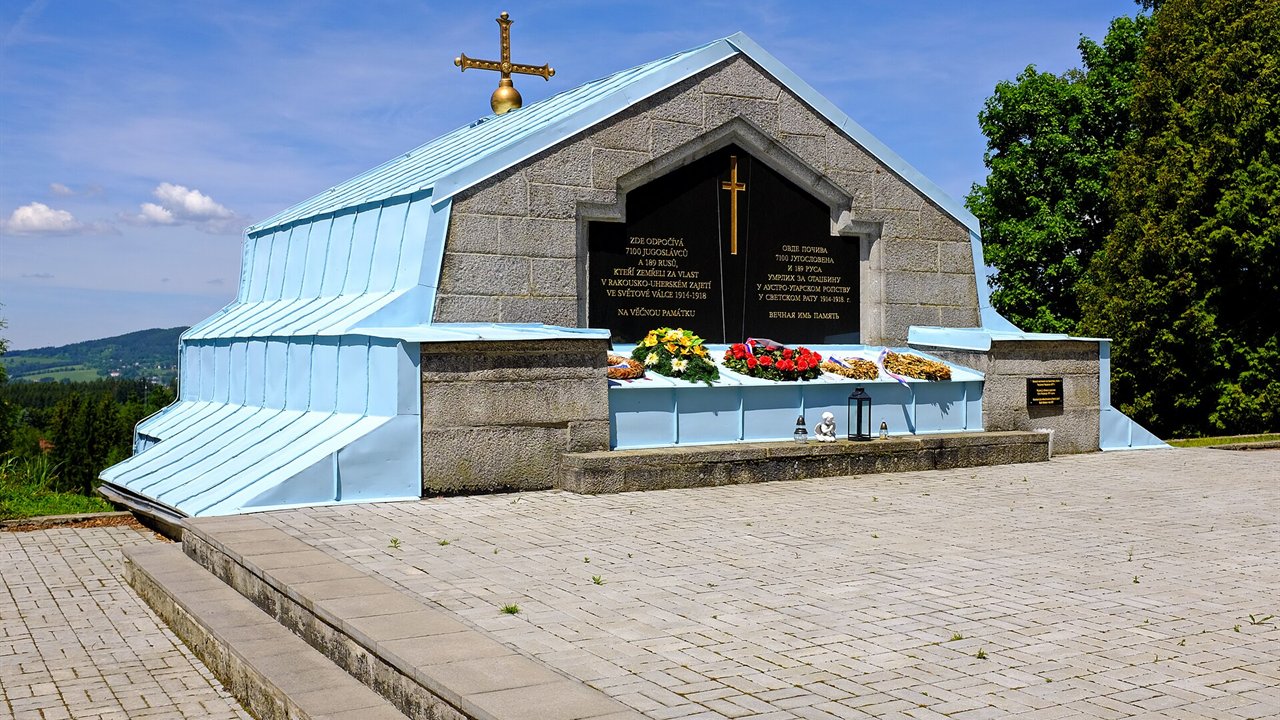
Mausoleum and POW camp in Jindřichovice
A few kilometres from Háj stood one of the largest prisoner-of-war camps of Austria-Hungary in the First World War. Almost nothing of the camp is left. Above the village, though, stands a mausoleum with the remains of more than 7,000 Serbian and Russian soldiers, and the camp cemetery lies in the forest.
The story of the place
In 1915 a prisoner-of-war camp went up between Jindřichovice (German: Heinrichsgrün) and the basalt quarry near Rotava. It was one of the largest in the Habsburg monarchy. Around 40,000 people passed through it during the war, and 25,000 to 30,000 prisoners lived here at any one time.
Most of them were Serbs. The Austro-Hungarian army captured them during its campaign in Serbia and sent civilians here along with soldiers; many came from the Šumadija region and the Kolubara valley. There were Russians and Italians too. The prisoners worked in the Rotava ironworks and in the quarry, and built roads, bridges and a chemical plant in Sokolov (Falkenau). On the hill above the village they also built a water reservoir.
Life in the camp was harsh: cold, hunger, poor hygiene and disease, typhus above all. At the worst times up to forty people died a day. Every afternoon at three a procession carried the dead out of the camp, to the forest cemetery below it or to mass graves. Thousands died here; the sources do not agree on the exact number.
After the war the camp was taken down, and the new South Slav state — the Kingdom of Serbs, Croats and Slovenes, later Yugoslavia — took care of the dead. Between 1925 and 1928 its government had the camp's water reservoir rebuilt as a mausoleum, designed by the Russian architect Vladimir Alexandrovich Brandt. The exhumations went on until 1932. Remains were brought here from the camp cemetery and from cemeteries in Cheb (Eger) and Planá near Mariánské Lázně. Around 7,100 Serbs and 189 Russians lie in the mausoleum.
It was consecrated on 8 July 1932 under the patronage of Czechoslovak President T. G. Masaryk and King Alexander I of Yugoslavia. In 1938 the remains of 88 Serbian soldiers who had died in the Netherlands were added. The mausoleum has been a protected cultural monument since 1958, and Serbian diplomats still come here for commemorations.
Key dates
- 1915the prisoner-of-war camp is built near Jindřichovice
- 1925–1928the camp's former water reservoir becomes a mausoleum
- 1926–1932remains are exhumed from cemeteries in Jindřichovice, Cheb and Planá
- 8 July 1932the mausoleum is consecrated
- 1938remains of 88 Serbian soldiers arrive from the Netherlands
- 1958the mausoleum becomes a protected cultural monument
What you will see
- The mausoleum on a rise at the southern edge of the village, next to the village cemetery. The tomb was built from the water reservoir the prisoners had built themselves. Around it is a memorial park with an Orthodox cross.
- An information board about the camp and the mausoleum on the village green. Marked paths lead from here to both the mausoleum and the camp cemetery.
- The camp cemetery in the forest, just under two kilometres north-west of the village, below the site of the camp. There is a cross, an Orthodox cross and a memorial to the victims.
- The site of the camp. Almost nothing remains of the barracks, stables and watchtowers. Where tens of thousands of people lived, there are now woods and meadows.
- Jindřichovice chateau on the village green, home of the Sokolov district archives. It is not usually open to visitors.
Practical tips
- From Háj: about 10 minutes by car (4.8 km). By bike on cycle route 2044, which runs through both Háj and Jindřichovice.
- On foot: Czech hiking trails are marked with coloured stripes. From the village green a short blue spur leads to the mausoleum (about 600 m). A yellow trail leads to the camp cemetery, roughly 3 km each way on forest tracks.
- Leaflet: the Jindřichovice municipal office hands out a free leaflet about the camp and the mausoleum.
- Please remember that this is the grave of thousands of people. Keep your voice down and don't picnic in the memorial park.
Make a day of it
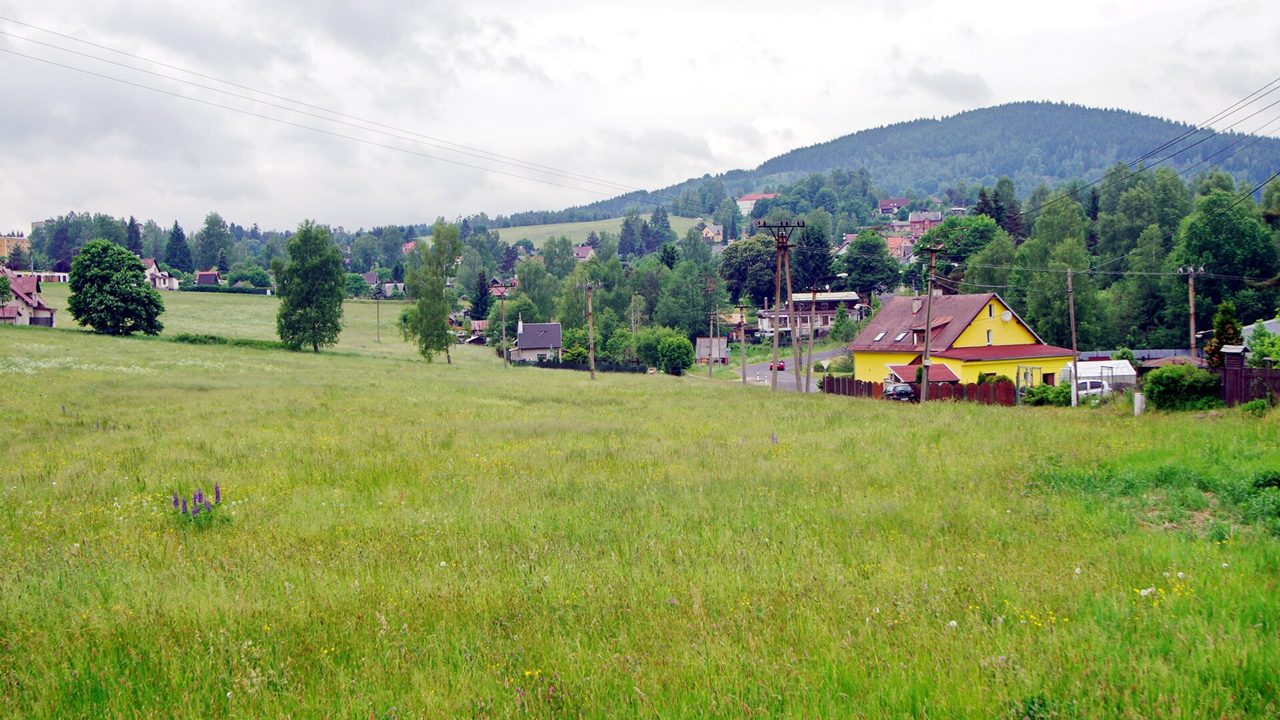
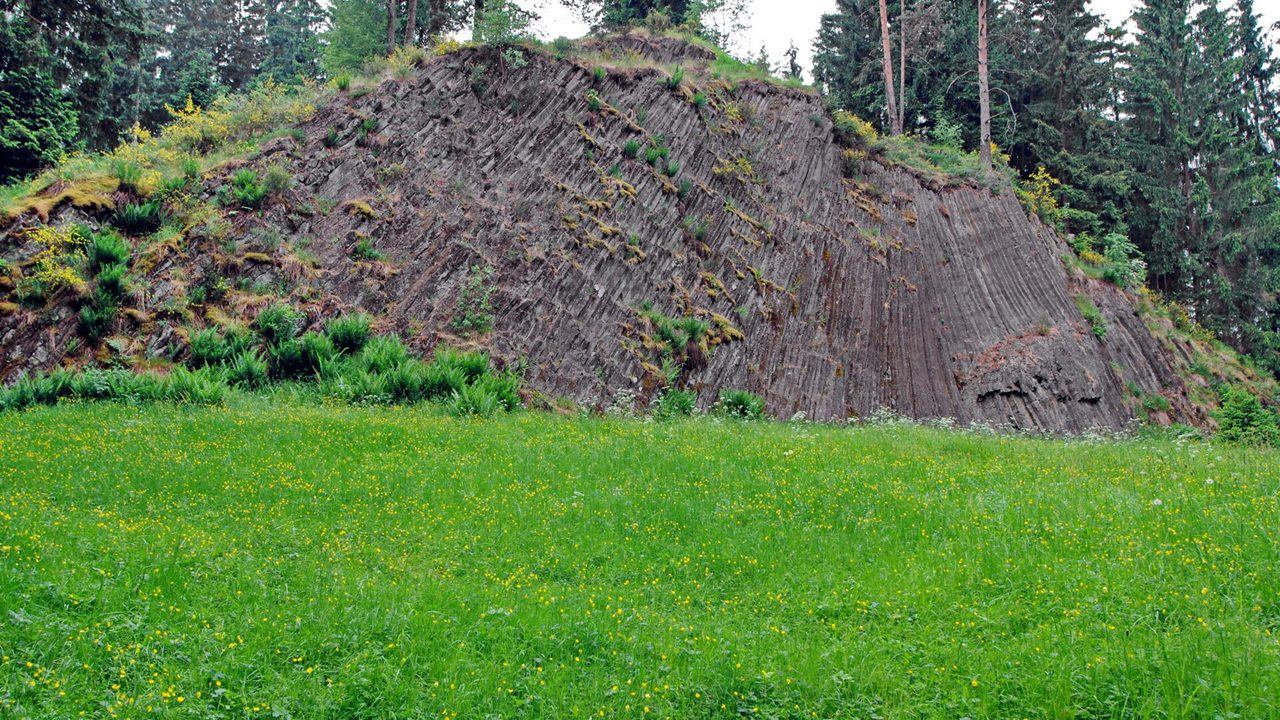
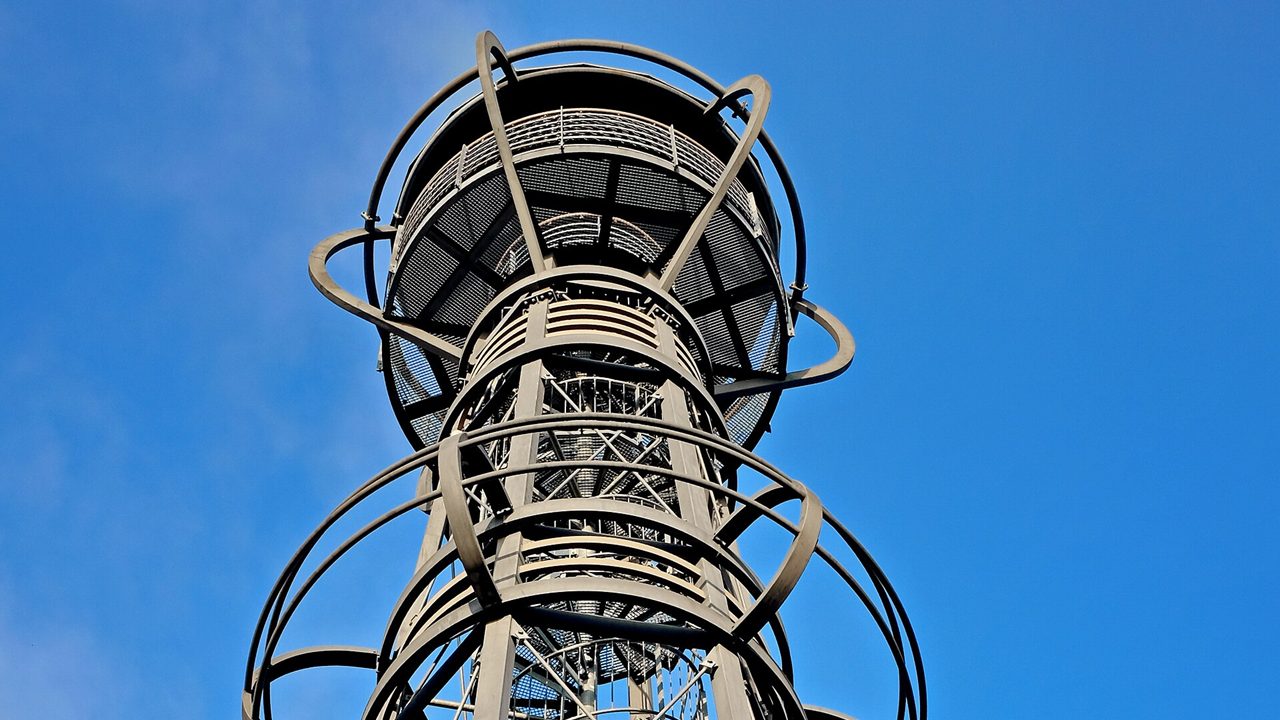
Stay 2.7 km away
Roubenka Háj is 2.7 km away as the crow flies. Log cabin for 6 guests to rent in Háj near Kraslice, Ore Mountains, 18 km from Karlovy Vary. Gazebo, trampoline for kids, peace all around. Dogs welcome.